

The Consummation of the Covenant
Covenant Theology 101 (#11)
Covenant Breakers and the Covenant Keeper.
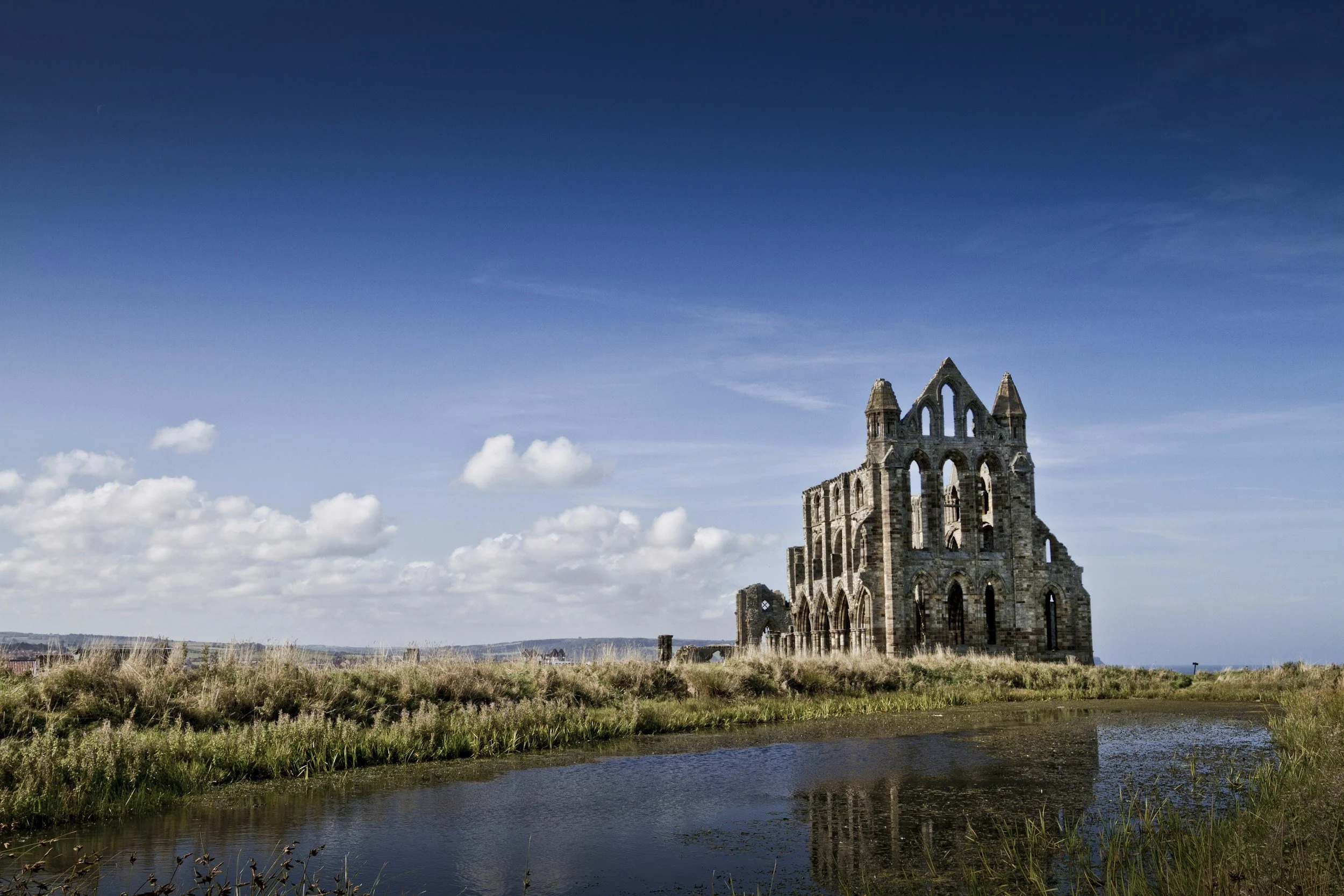
In the heart of an old city stands a ruined cathedral. Once radiant with light, it now lies in decay—windows shattered, walls cracked, arches darkened by soot. But a master restorer takes up the work. He doesn’t demolish it; he renews it. Day after day, he replaces what’s broken, polishes what’s dull, and breathes life back into stone. In time, what was lost becomes more glorious than before.
That’s the story of Scripture. From the fall in Eden to the new Jerusalem, God has been restoring what sin has ruined until the whole creation shines again with his glory.
Although “the distance between [an infinite] God and the [finite] creature is so great” and while we “owe obedience unto Him as their Creator,” we “could never have any fruition [benefit] of Him as…blessedness and reward, but by some voluntary condescension on God’s part.” He’s bridged this chasm “by way of covenant” (Westminster Confession 1.1). Covenants are the formal way he enters into relationship with us. Covenant theology is all about this reciprocal relationship—God communicates himself and his gifts to us and we respond in love.
Revelation 21 vividly pictures the consummation of that relationship. It’s the goal of the original covenant in the Garden. Everything God ever intended for us reaches its final restoration.
Concluding Covenant Theology 101, we explore the consummation of the covenant.
The Climax of Creation
“Then I saw a new heaven and a new earth, for the first heaven and the first earth had passed away, and the sea was no more” (Rev. 21:1). In a world that thinks everything ends in decay, the story of Scripture ends with the counter-cultural theme of renewal. Where is everything going?
The God of unchanging continuity. He isn’t going to destroy creation, but restore it by removing sin’s curse and bringing what he once called “very good” (Gen. 1:31) to perfection. Like a master craftsman, he won’t scrap his work but refine it. Paradise Lost must be turned into Paradise Regained.
The God of regeneration. When we are born again, we become a “new creation” in Christ (2 Cor. 5:17). We’re not erased and remade, but renewed: a new self comes from the old. The continuity that joins our old and new selves joins the old and new worlds as Jesus called his return “the regeneration” (Matt. 19:28; NASB).
The God of resurrection. Jesus’ resurrection confirms this pattern—the same body that was laid in the tomb was raised in glory. In his resurrection, the “natural” was transformed into the “spiritual” (1 Cor. 15). So too, the world that groans under sin (Rom. 8) will rise purified like a caterpillar becomes a butterfly, a seed becomes wheat.
This is important for how we view the present world and what we hope for in the world to come.
When John says “the sea was no more,” he uses Old Testament imagery of the sea as chaos and rebellion. The sea has great power (Ps. 107:23–30), poses mortal danger (Ps. 69:1–2); thus is an apt image for the nations’ tumult against God (Isa. 5:30, 17:12). In the new creation, nothing will oppose God. Storms will be stilled forever. The Restorer’s work will be done—peace will reign.
The Climax of the City of God
This renewed creation will be filled with renewed people: “I saw the holy city, new Jerusalem, coming down out of heaven from God, prepared as a bride adorned for her husband” (Rev. 21:2).
“New Jerusalem” isn’t made of stone or steel, but people—the church perfected and triumphant in glory. It is the bride of Christ, who “has made herself ready” (Rev. 19:7–8). She wears “fine linen”—“the righteous deeds of the saints.” “The holy city” is the “bride adorned for her husband…the Lamb” (Rev. 21:2, 9).
Then the imagery switches to a city, with “a great, high wall, twelve gates” (Rev. 21:12) and “twelve foundations” (Rev. 21:14). These twelve gates have “the names of the twelve tribes of the sons of Israel…inscribed” (Rev. 21:12). The twelve foundations had the “names of the twelve apostles of the Lamb” (Rev. 21:14). All of this shows that redemption unites people from every covenant age. Salvation is from the Jews and extended to the nations.
The symmetry (Rev. 21:15, 16, 17) signifies completeness and that the Bride is as numerous as that “great multitude that no one could number, from every nation, from all tribes and peoples and languages” (7:9). Its dazzling brilliance of jewels (Rev. 21:18–21) signifies that the Bride is a masterpiece of divine craftsmanship—the finished restoration of the ruin begun in Eden.
The Climax of the Covenant Relationship
Finally comes the voice from the throne:
“Behold, the dwelling place of God is with man. He will dwell with them, and they will be his people, and God himself will be with them as their God.”
This has been the heartbeat of every covenant we’ve traced. From Adam to the New Covenant, God has promised: “I will be your God, and you will be my people.”
That promise resounds as fulfilled. The “dwelling place” or tabernacle/temple is gone; God’s own presence is the sanctuary: “he will dwell with them.”
This covenant relationship embraces all “peoples” (plural) since Christ “ransomed people… from every tribe and language and people and nation” (Rev. 5:9; 7:9). In Abraham’s greatest Seed, “all the families of the earth shall be blessed” (Gen. 12:3).
The friendship of God has become the fellowship of glory.
Then comes the voice of the Covenant Keeper himself: “Behold, I am making all things new…Write this down, for these words are trustworthy and true” (Rev. 21:5).
That verse helps us summarize our series. From the Garden’s promise of life, to the rainbow in Noah’s sky, from Abraham’s tent to Moses’ mountain, from David’s throne to Christ’s cross, the story of the covenants has traced one unbroken line of grace. Each covenant revealed more of the Father’s heart for his children, and every failure of covenant breakers pointed forward to the faithfulness of the Covenant Keeper. The story that began in Eden ends here—in a renewed creation where the promises of God find their perfect “Yes” and “Amen” in Jesus Christ.
Covenant Breakers and the Covenant Keeper
The master restorer never gives up on his creation: from the first spark of light in Genesis to the final gleam of glory in Revelation.
Every covenant has been part of the restoration project—laying foundations, shaping walls, preparing the final unveiling. The covenant of works showed the design; the covenants of grace displayed the repairs; the new covenant finished the structure in Christ’s blood.
At the end of all things is the reveal. The great Restorer steps back to admire his completed work—a renewed creation, a radiant bride, a reconciled people.
When you look around at a world ruined by sin and your heart still under repair, remember: God doesn’t abandon what he starts. The same hands that carved the heavens and shaped humanity from dust are restoring everything through the Son.
One day, when the work is done, the Restorer and the restored will dwell together forever.
“Behold, the dwelling place of God is with man…He will wipe away every tear from their eyes, and death shall be no more” (Rev. 21:3–4).
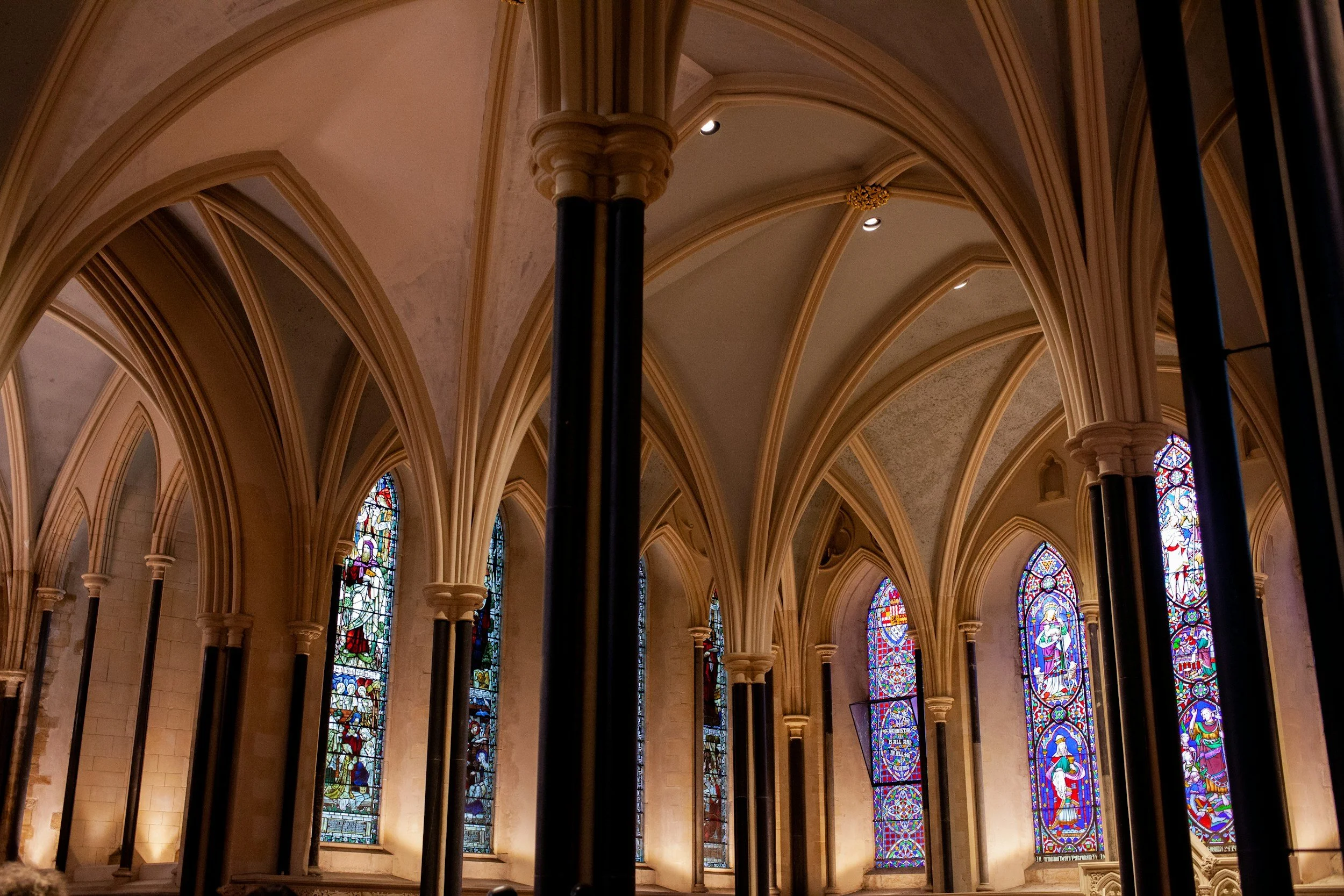
Then we’ll see the finished cathedral of God’s covenant of grace—every arch of mercy, every window of redemption shining with the light of the Lamb.
The Covenant Keeper’s project will be complete.
Covenant Breakers will rest.
And together, in covenant communion, we will live as the house of the Lord forever.