

Living in Covenant with God
Covenant Theology 101 (#12)
Covenant Breakers and the Covenant Keeper.
When my kids were little, we had an unwritten family tradition: every Friday night was “pizza night” with a book, maybe a movie, and lots of laughs. Maybe you have a small way like this to protect relationships from the chaos of life? But one Friday, after a long week, I lost track of time, and forgot. Before I could say anything, one of my kids said, “Dad, it’s Friday! You promised.”
That stopped me. I promised. And promises shape us.
That’s what covenant life is all about—living under promises that shape who we are, how we love, and how we live. The God who keeps covenant has called us to live as his covenant people. We’ve spent this series tracing his faithfulness from the Garden of Eden to the glory of eternity. Now, how do we live in light of it?
As a conclusion to our series, let’s reflect on what it means to live in covenant with the Covenant Keeper today—people who reflect that relationship in our worship, community, family, and mission.
Covenant Shapes Our Worship
Worship isn’t our attempt to reach God; God already came down. It’s our response to this gospel.
When we gather for worship, we’re stepping into the rhythm of the covenant relationship—God calls, and we respond. That’s why our services begin and end with God’s Word: in a call to worship and parting benediction. It’s a covenant conversation. The Lord initiates; we reciprocate.
We don’t come to church to perform, impress, or earn; we come to meet with the covenant God who has bound himself to us in love. Every Lord’s Day is a renewal ceremony where he reaffirms his promises to his people and we renew our vows to him in faith, love, and hope.
When we remember that, every ordinary Sunday becomes holy ground.
Covenant Shapes Our Community
Covenant theology teaches that God always works through a people. He didn’t save Noah alone but his household. He didn’t call Abraham as a solitary believer but promised, “I will be God to you and to your offspring after you.”
The church is that covenant community today. We are not spiritual freelancers; we belong to one another. “We, though many, are one body in Christ” (Rom. 12:5).
That means church membership isn’t a formality—it’s family. In baptism, God marks us as his own and places us in the visible household of faith. At the Lord’s Table, we share covenant fellowship with him and one another.
To live in covenant means we love, serve, forgive, and bear with one another, because our Father has done the same for us. The covenant community is not perfect, but it’s authentic. It’s where grace gets practiced.
Covenant Shapes Our Families
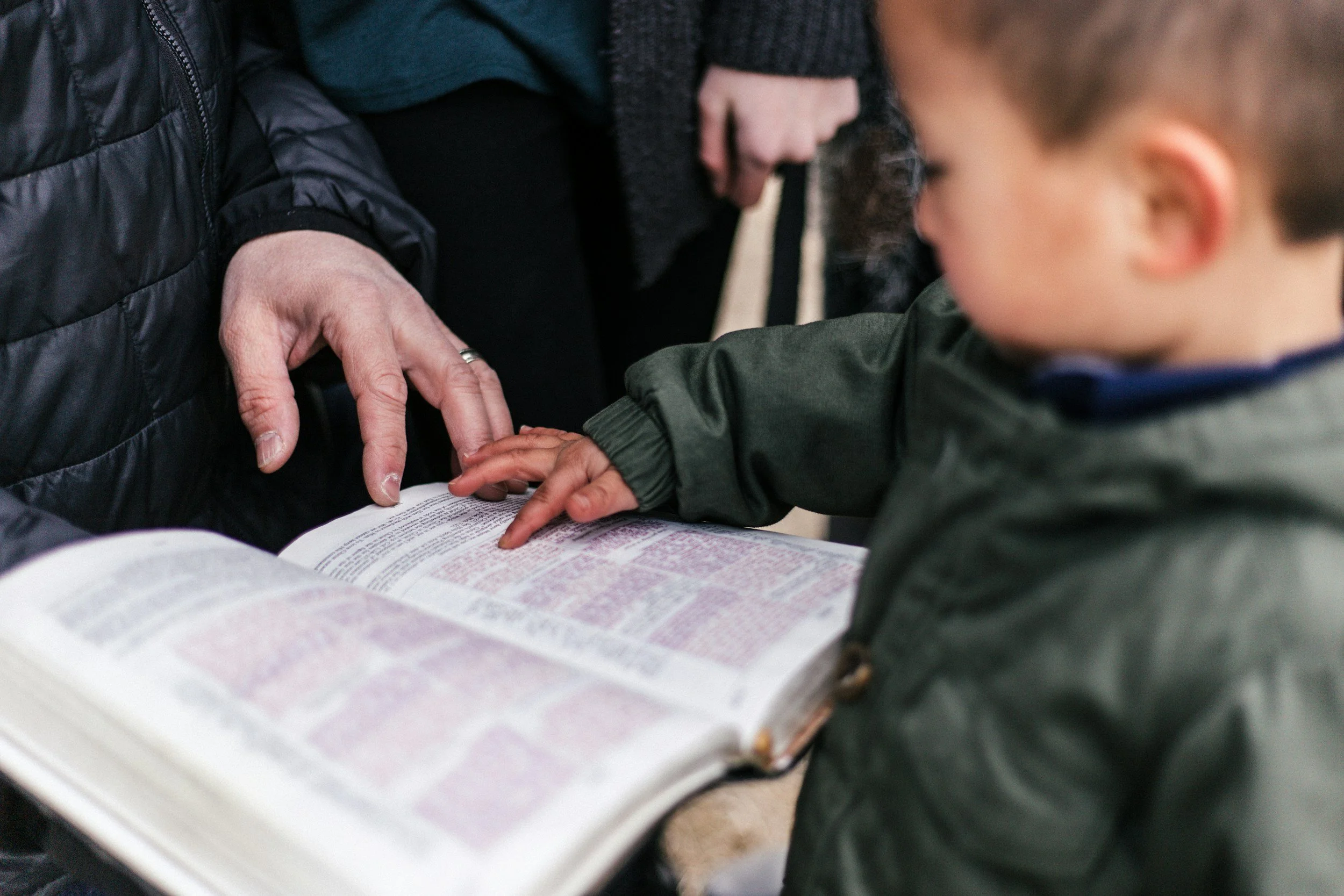
When God makes covenant, he includes children in the promise. That’s not sentiment—it’s theology. Covenant parents don’t raise their kids hoping they’ll one day belong to God; they raise them as those who already do. This is why we “baptize yo babies!”
That changes everything. Family devotions aren’t optional extras; they’re covenant renewal around the dinner table. Discipline isn’t punishment but discipleship—training children to walk in covenant love. And our marriages? They’re living parables of Christ and the church, displaying the faithful love of the Covenant Keeper.
Covenant homes aren’t perfect homes. They’re places where repentance is normal, forgiveness flows freely, and promises are kept even when feelings fail.
Covenant Shapes Our Mission
The covenant promise has always had a missionary heartbeat: “In you all the families of the earth shall be blessed” (Gen. 12:3). We live as covenant members by carrying the promise forward: the church collectively is called to “make disciples of all nations” by “go[ing]…baptizing in the name of the Father and of the Son and of the Holy Spirit, [and] teaching [the nations] to observe all that [Jesus] commanded.” How? In the power and presence of Jesus: “I am with you always, to the end of the age” (Matt. 28:19, 20).
Every act of evangelism, every cup of cold water, every word of truth and mercy is an echo of that promise. God is gathering a people from every tribe and tongue into his covenant family, and he does it through ordinary Christians living out ordinary faithfulness in the world.
You don’t have to be a missionary across the ocean to live covenantally—you just have to remember the promises across the street.
Covenant Shapes Our Hope
Covenant theology ends where it began—with God keeping his word.
When the master restorer finishes his work, when the Father brings his children home, we will see that every covenant has led us to Christ, and every promise has led us home. Until that day, living in covenant with God means trusting the Covenant Keeper.
We fail, but he forgives. We wander, but he restores. We doubt, but he remains faithful.
That’s the rhythm of covenant life—broken people kept by unbreakable grace.
Covenant Breakers and the Covenant Keeper
The God who called Adam to trust, who rescued Noah, chose Abraham, redeemed Israel, and crowned David, is the same God who calls us to live in faith and obedience today. He hasn’t changed; “his steadfast love endures forever.”
So, live as members of the covenant of grace—worshiping with reverence, loving your church deeply, nurturing your family faithfully, and joining his mission joyfully.
And when you falter—and you will—remember this: the strength of the covenant never depended on you in the first place anyway!
It rests on the One who said, “This is my body…this cup is the new covenant in my blood.” So, eat and drink in faith and be assured.
The Covenant Keeper is still keeping his people.