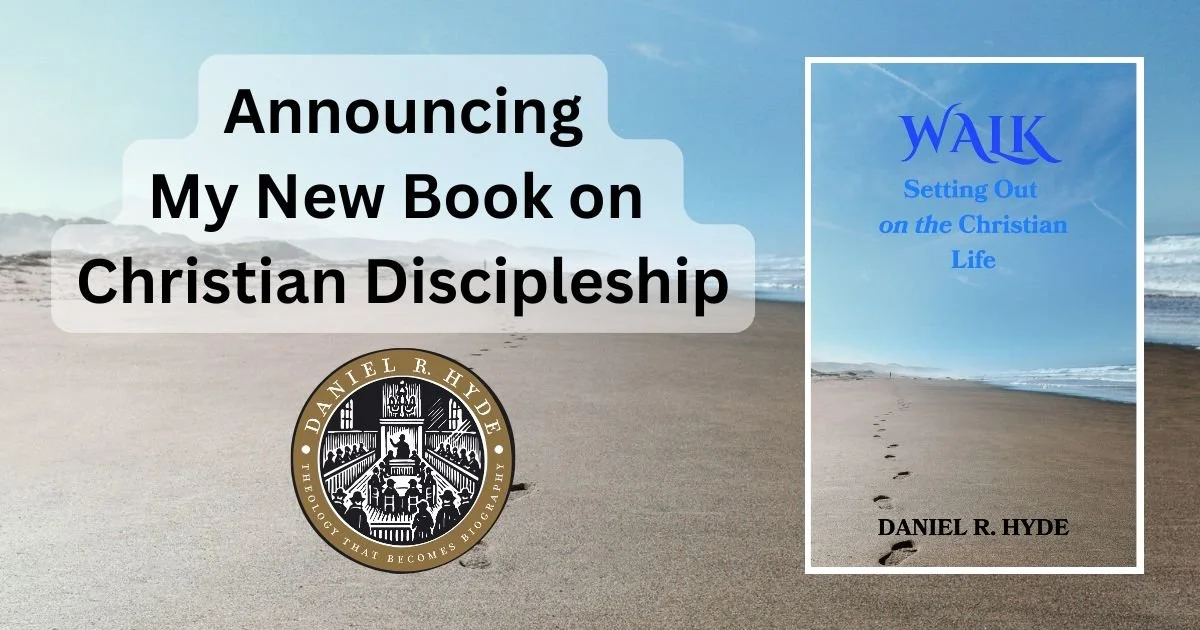
Announcing Pastor Danny’s New Book Walk: Setting Out on the Christian Life
Announcing Pastor Danny’s new discipleship book Walk: Setting Out in the Christian Life
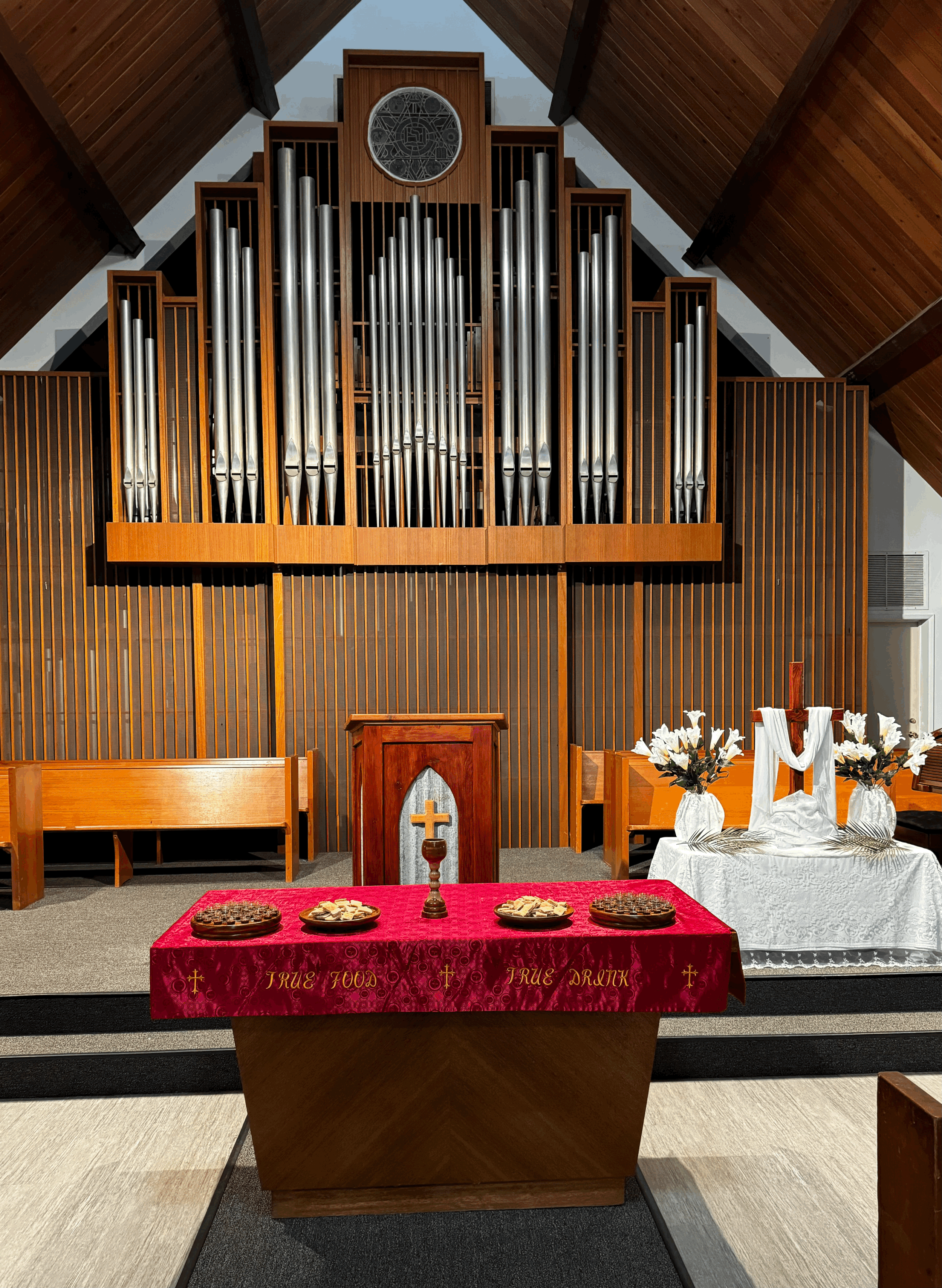
Oceanside United Reformed Church’s 26th Annual Good Friday and Easter Services
Oceanside United Reformed Church will host its annual Good Friday & Easter services on Friday, April 3 at 6:30 p.m., and Sunday, April 5 at 10 a.m. and 12:00 noon. at the Army & Navy Academy Chapel, 2549 Ocean St., Carlsbad, 92008, located on the border of Oceanside and Carlsbad.
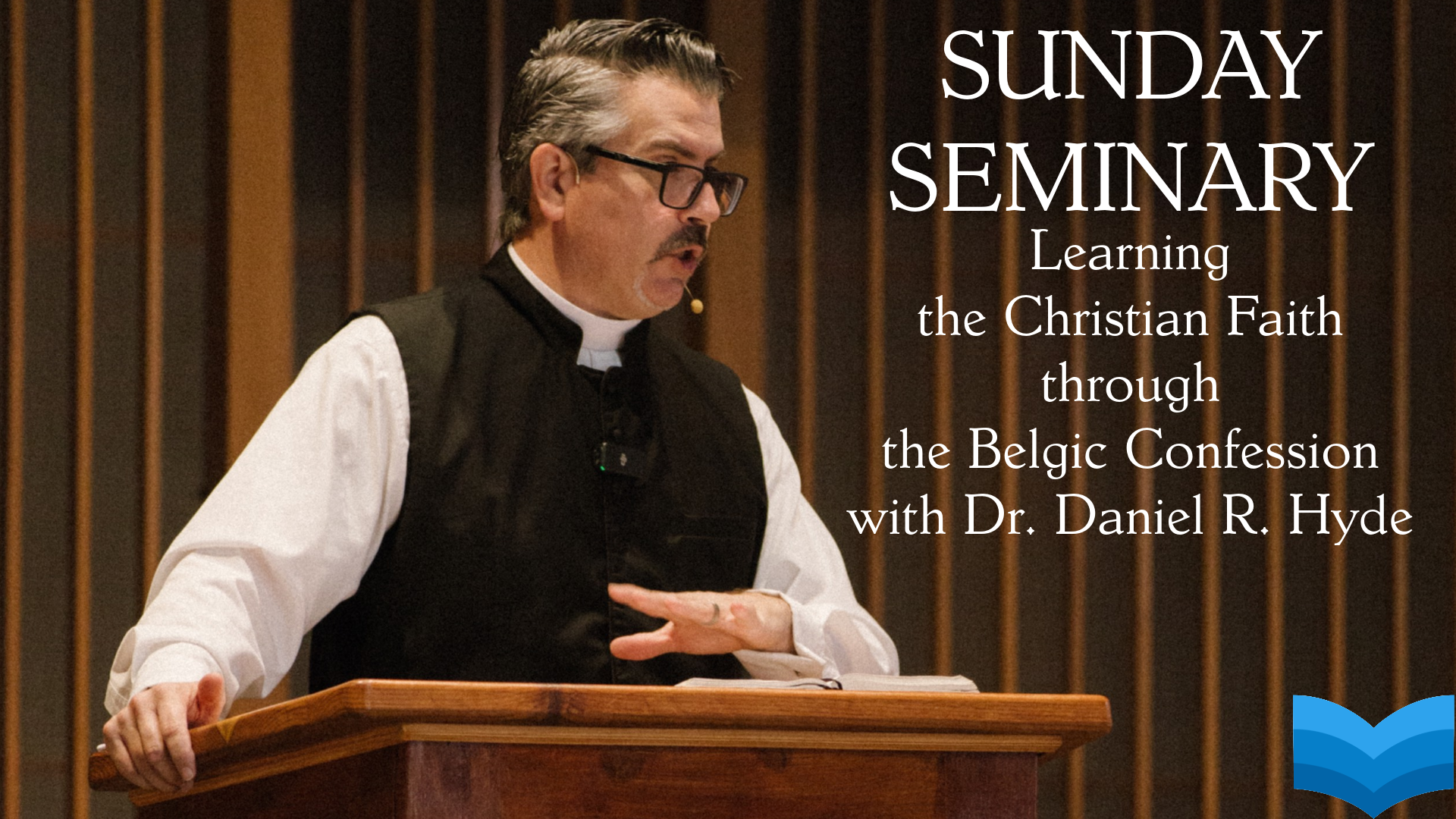
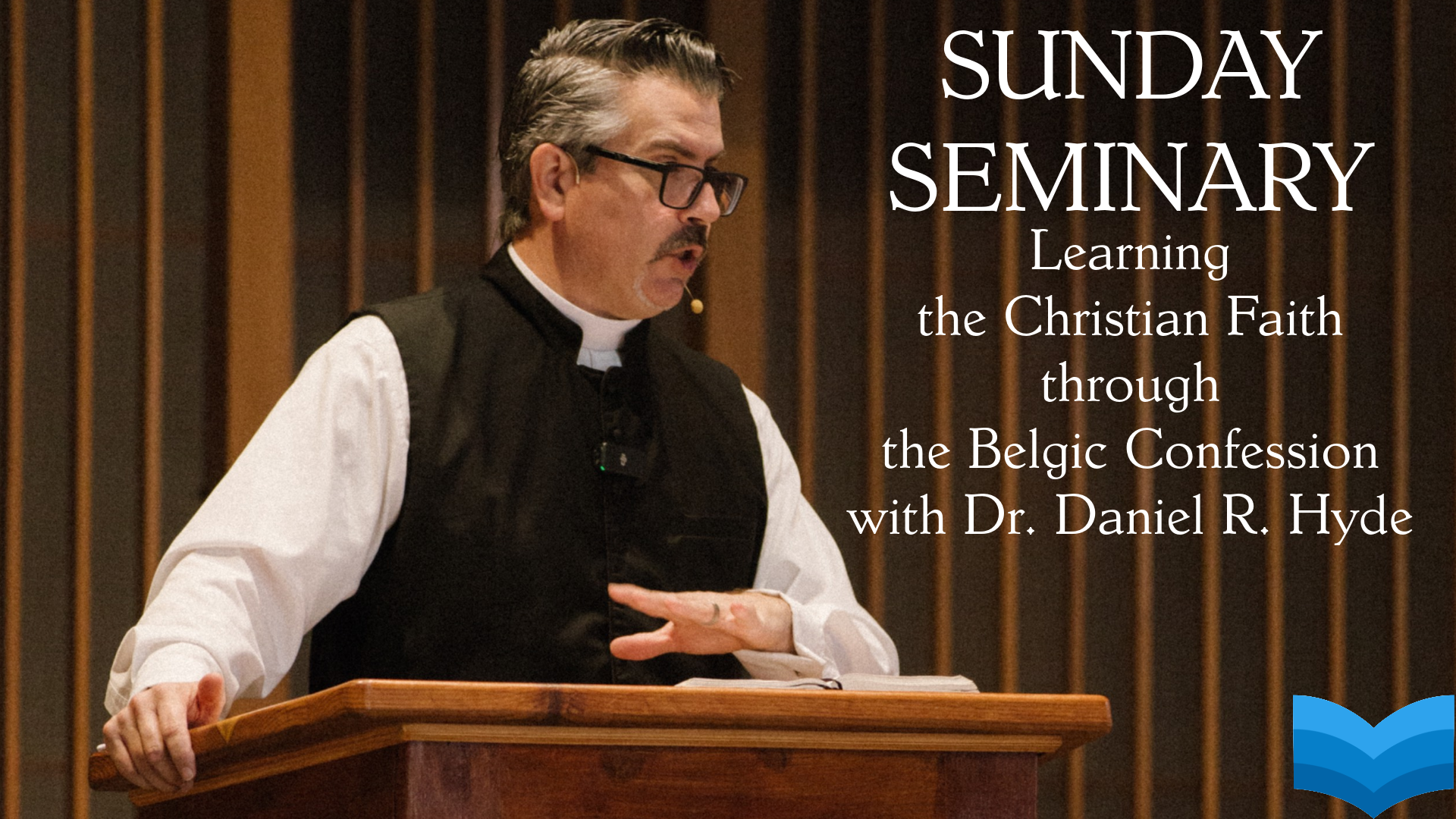
“Good Friday and Easter invite us to slow down and hear the best news the world has ever received: Jesus Christ gave Himself for our sins and rose again to give new life to all who believe,” said Rev. Dr. Daniel R. Hyde, pastor of Oceanside United Reformed Church since 2000. “Whether you’ve been in church for years, haven’t been in a long time, or are simply curious, we would be honored to welcome you to join us as we remember the cross and celebrate the empty tomb. Our doors and our hearts are open to you.”

Why Does God Allow Suffering? A Biblical Perspective
Why does God allow suffering? The Bible doesn’t minimize pain—it locates it in a fallen world (Gen. 3; Rom. 5) and then points us to the cross. Jesus’ suffering was according to God’s redemptive plan (Acts 2:23), proving God is sovereign and loving. For those in Christ, suffering is not condemnation (Rom. 8:1); it unfolds within God’s fatherly purpose, where “all things” work together for good (Rom. 8:28) and present groaning gives way to future glory (Rom. 8:18; Rev. 21:4).
What Happens After Death? A Biblical Answer
What happens after death? Scripture speaks clearly: we die once, then comes judgment (Heb. 9:27). But the gospel also speaks comfort—“no condemnation” for those in Christ (Rom. 8:1). This post explores the Bible’s teaching on judgment, resurrection, and eternal destiny, and why Jesus’ resurrection turns fear into living hope (John 11:25; 1 Pet. 1:3–4). Death is real—but in Christ, it is not final.

Bible Verses for Anxiety and Fear: Finding Peace in God’s Word
When anxiety gets loud—especially at night—God’s Word gives you solid ground. From no condemnation in Christ (Romans 8:1) to the Father’s care (1 Peter 5:7), Scripture moves you from fear to prayer, and from uncertainty to peace with God.

The Lord’s Day: A Reformed View of the Christian Sabbath
Learn why Reformed Christians treat Sunday as the Lord’s Day. How does Jesus’ resurrection structure weekly worship, true rest, and mercy? What does the “Christian Sabbath” mean? Explore the Bible’s storyline and join us for worship at Oceanside United Reformed Church.
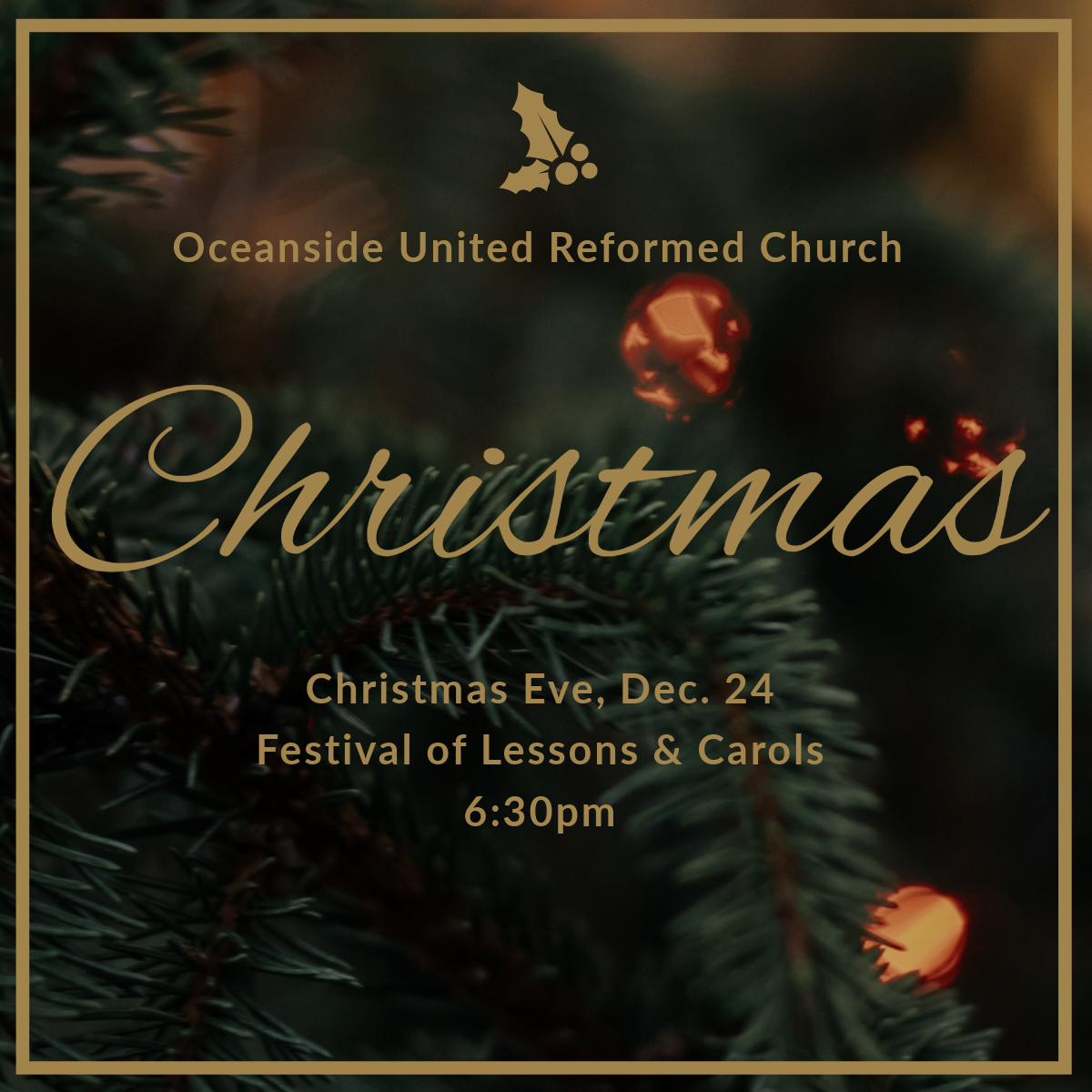
Christmas Eve Festival of Lessons & Carols
The Oceanside United Reformed Church invites the community to its 25th annual Christmas Eve Festival of Lessons & Carols.