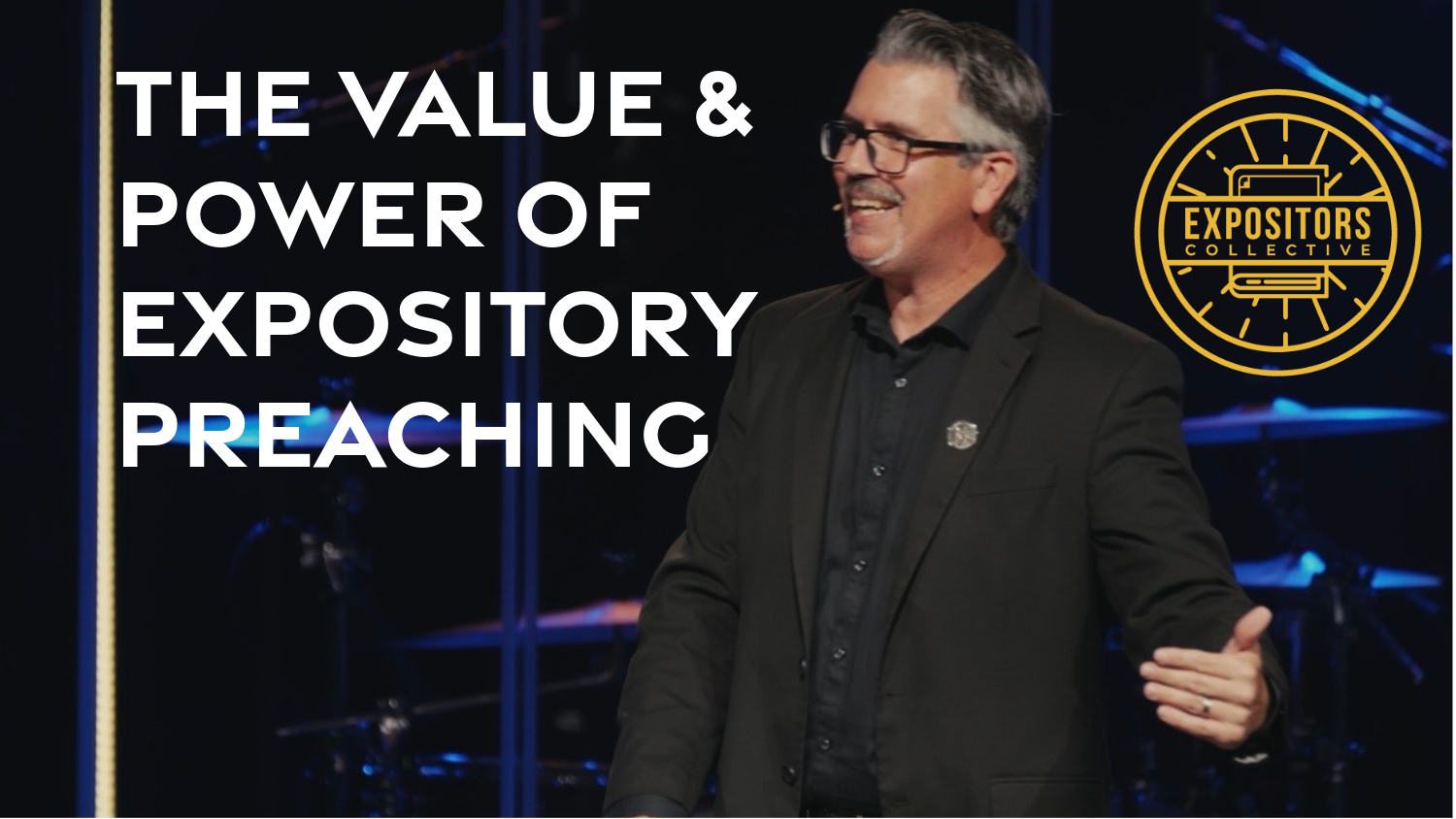
The Value and Power of Expository Preaching
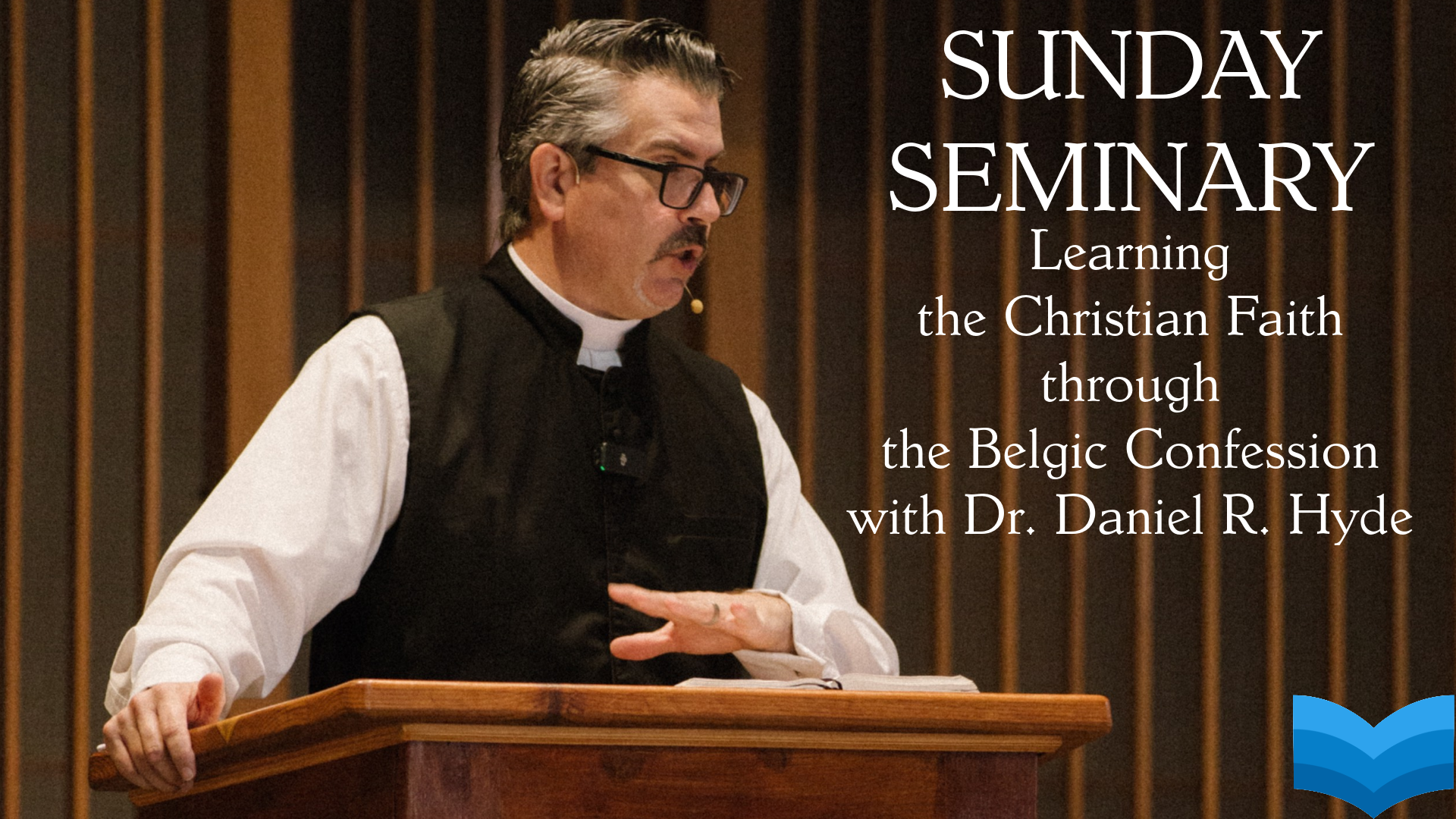
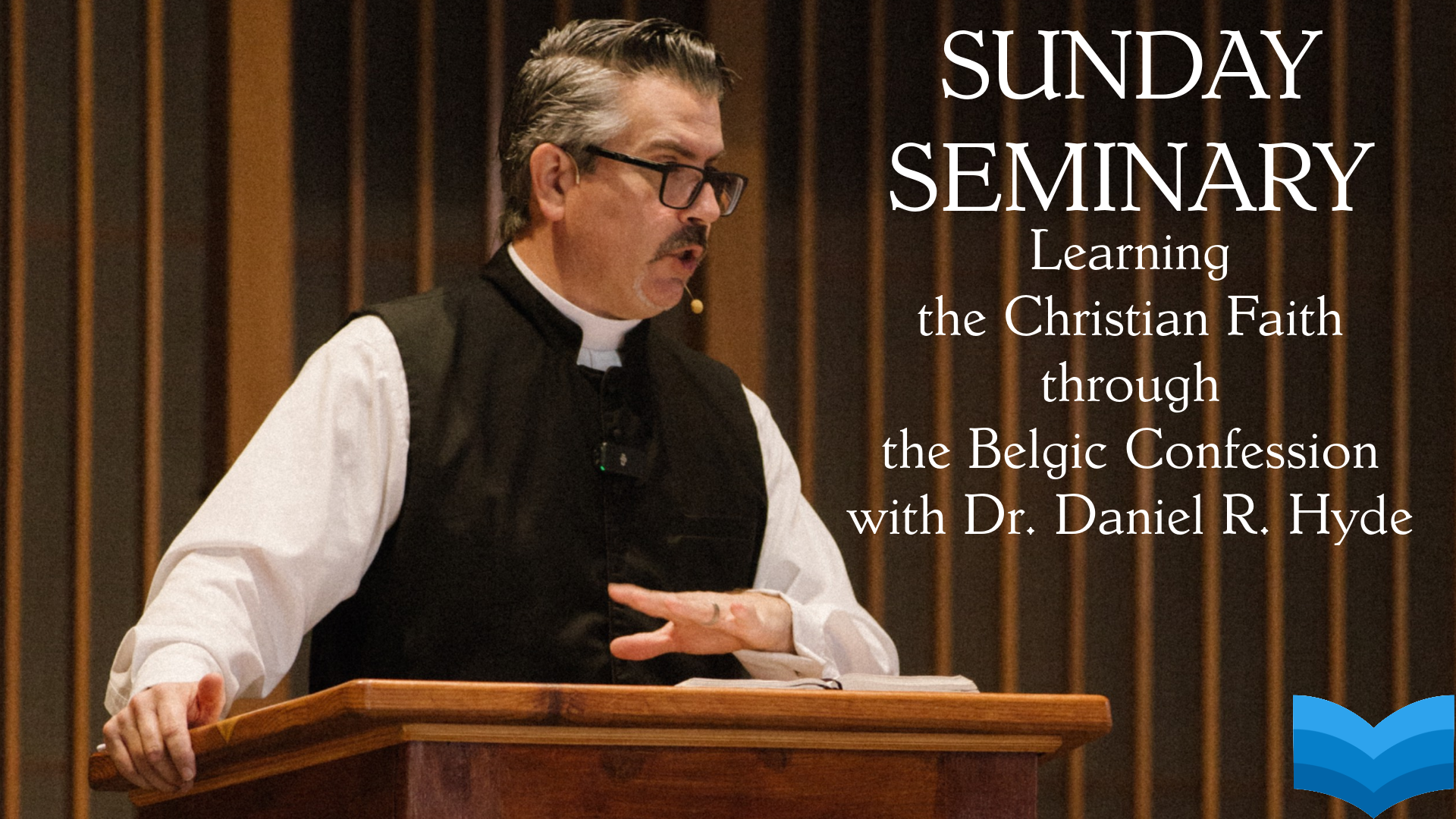
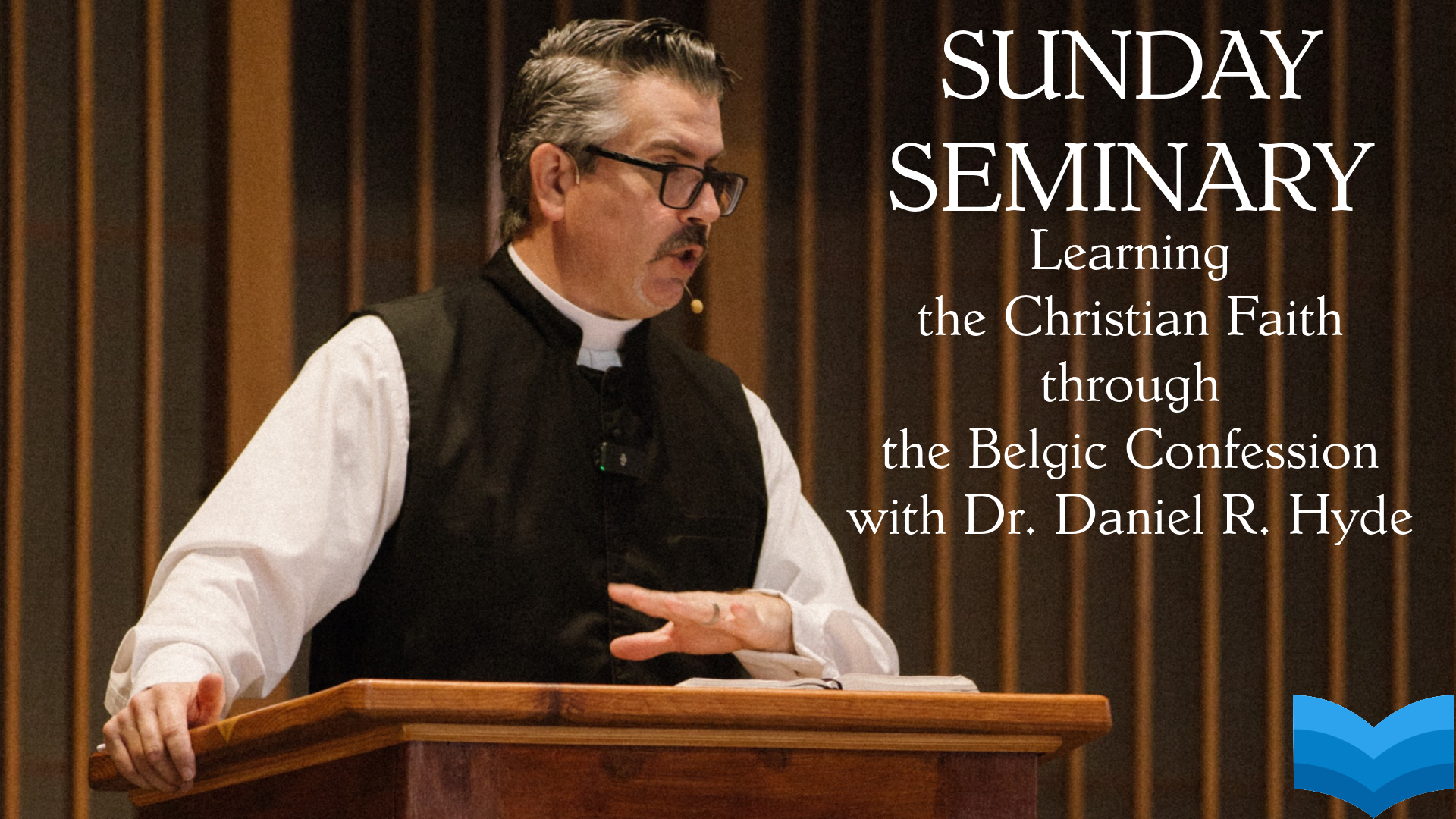
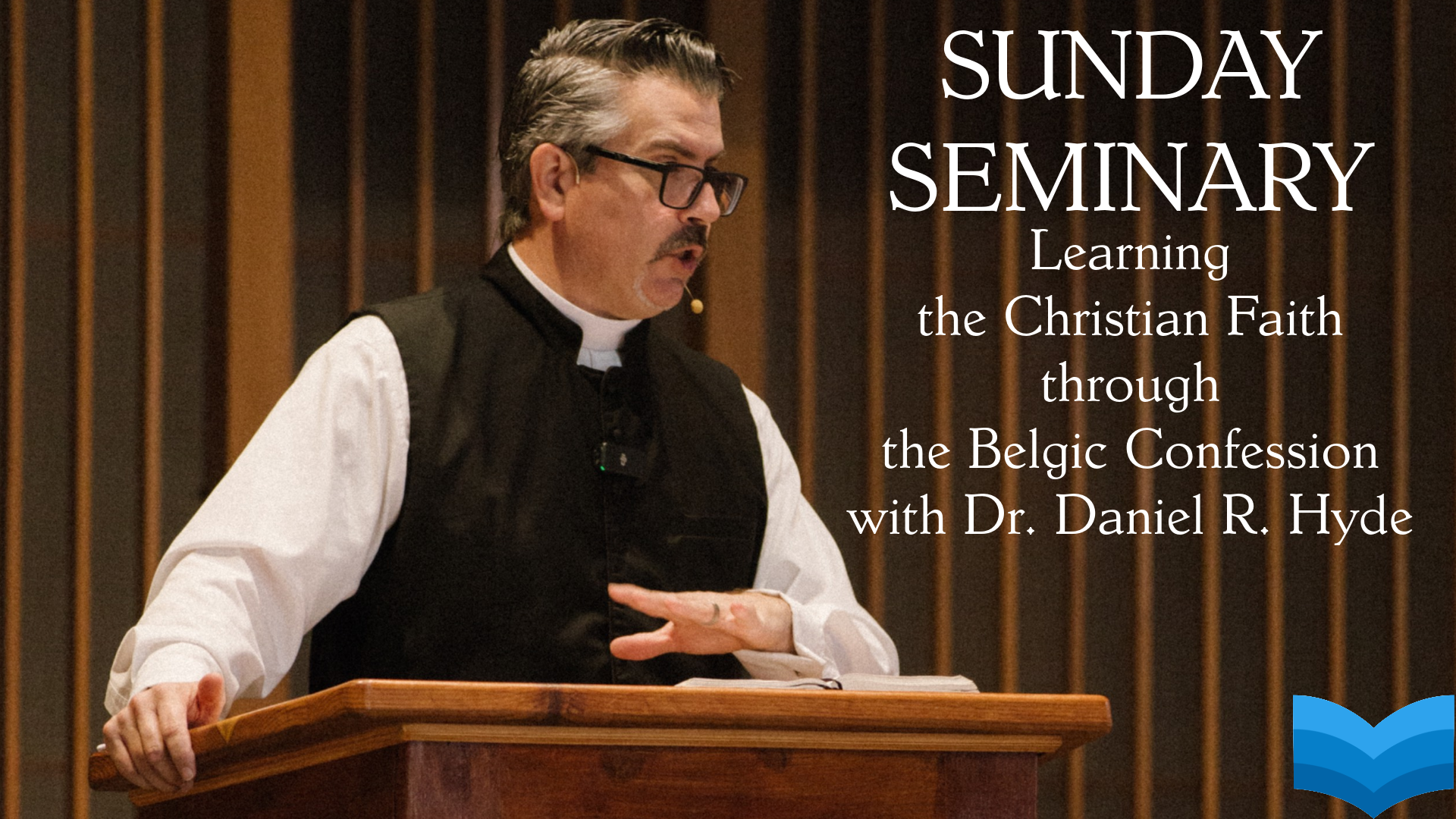
Dr. Daniel Hyde on the value and power of expository preaching—why opening Scripture book by book brings God's eternal promise to bear through preaching.

Why Does God Allow Suffering? A Biblical Perspective
Why does God allow suffering? The Bible doesn’t minimize pain—it locates it in a fallen world (Gen. 3; Rom. 5) and then points us to the cross. Jesus’ suffering was according to God’s redemptive plan (Acts 2:23), proving God is sovereign and loving. For those in Christ, suffering is not condemnation (Rom. 8:1); it unfolds within God’s fatherly purpose, where “all things” work together for good (Rom. 8:28) and present groaning gives way to future glory (Rom. 8:18; Rev. 21:4).
What Happens After Death? A Biblical Answer
What happens after death? Scripture speaks clearly: we die once, then comes judgment (Heb. 9:27). But the gospel also speaks comfort—“no condemnation” for those in Christ (Rom. 8:1). This post explores the Bible’s teaching on judgment, resurrection, and eternal destiny, and why Jesus’ resurrection turns fear into living hope (John 11:25; 1 Pet. 1:3–4). Death is real—but in Christ, it is not final.

Bible Verses for Anxiety and Fear: Finding Peace in God’s Word
When anxiety gets loud—especially at night—God’s Word gives you solid ground. From no condemnation in Christ (Romans 8:1) to the Father’s care (1 Peter 5:7), Scripture moves you from fear to prayer, and from uncertainty to peace with God.
Covenant Theology 101
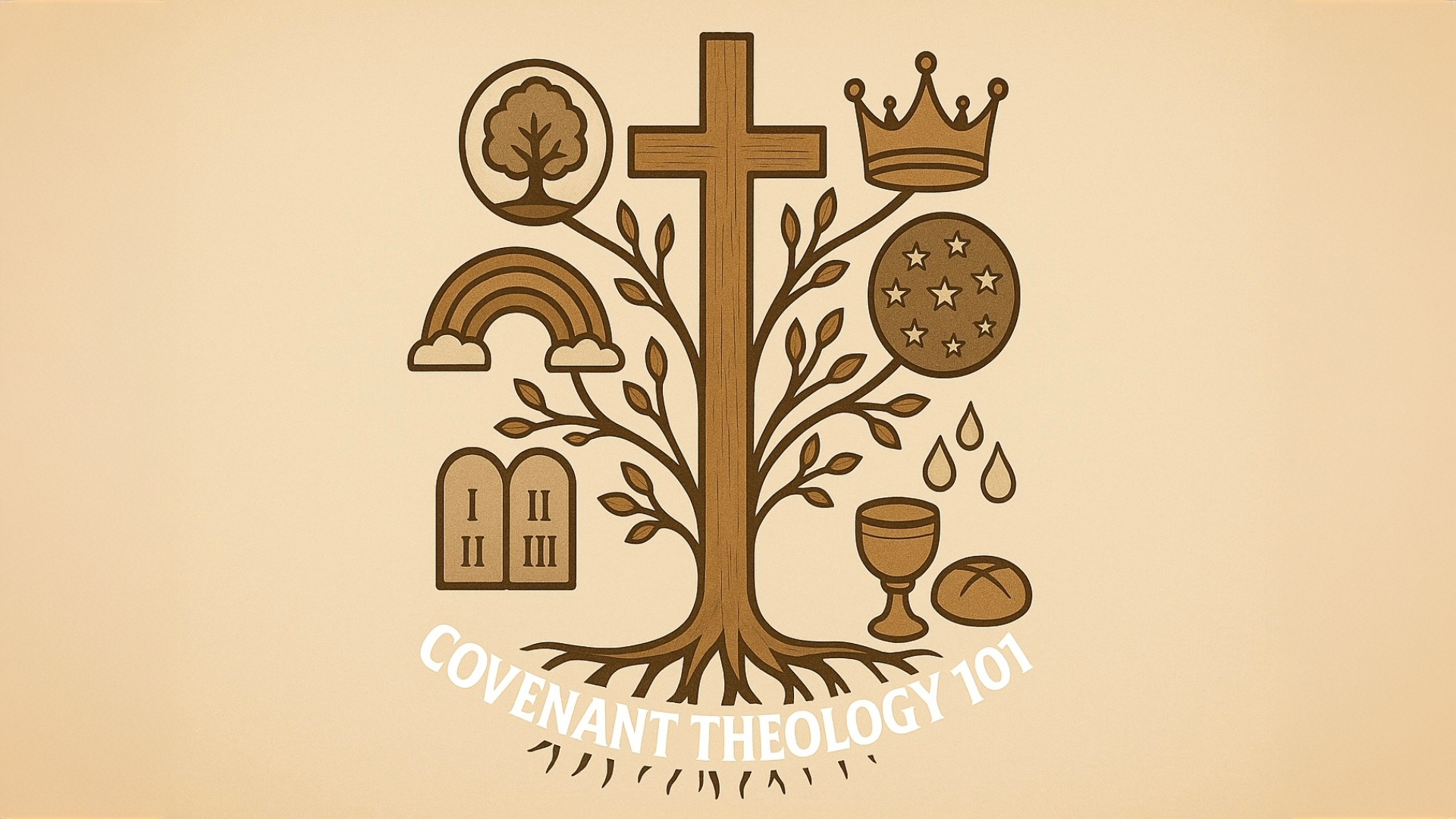
Covenant theology—what is it? Join this 12-part blog series by Dr. Daniel R. Hyde to learn more.
Covenant theology is the big picture written in large print across every page of the Bible: God relates to us through covenants. It’s not something we impose on the Bible, but is the study of God’s promises and the relationships he forms through them. It’s about learning to read the Bible as one unified story of a God who makes and keeps his promises—a story that stretches from Genesis to Revelation, and even includes you.
The story of the biblical covenants (after the Fall) is about Covenant Breakers and the Covenant Keeper. Let me introduce you this story, in Covenant Theology 101.

What Is a “Successful” Church?
Exploring the riches of God’s grace, one passage at a time.